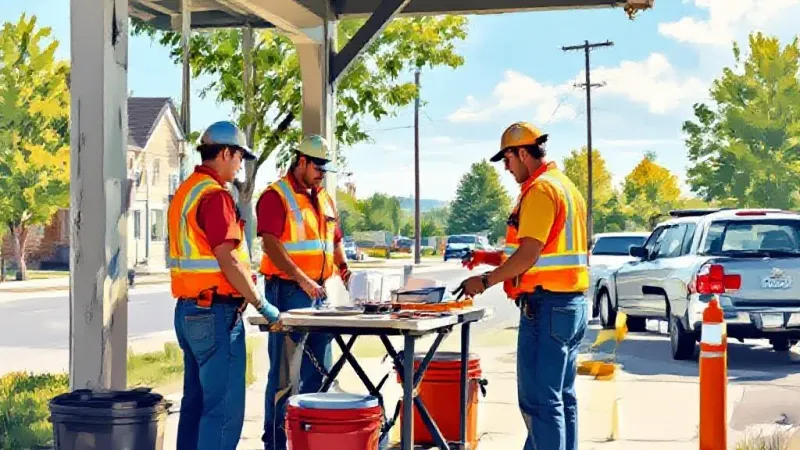
The North Dakota Department of Transportation (NDDOT) plans to visit all five tribal nations in the state next week to provide free nondriver photo identification cards. This initiative comes ahead of the upcoming election, offering a crucial resource for eligible voters.
The ID cards will be issued to North Dakota residents aged 18 and older who do not possess a driver’s license. According to the department, paperwork for these identification cards will be processed overnight, and the completed photo IDs will be mailed to residents within five days.
The effort addresses a specific requirement in North Dakota election law, which mandates voters to present identification that includes a street address. This requirement can pose a challenge for many tribal citizens who frequently use post office boxes as their residential address. Brad Schaffer, director of the driver’s license division for the Department of Transportation, stated that these photo ID cards are "a great option for individuals wanting to vote in the upcoming elections."
During a Tribal and State Relations Committee meeting last month, Secretary of State Michael Howe elaborated on solutions for tribal citizens without a physical address. Howe noted that individuals in this situation can collaborate with county officials to secure an enhanced 911 address. This system ties a physical address to a phone number, thereby fulfilling the street address requirement for voter identification. Howe conveyed to lawmakers his commitment to ensuring every qualified elector has the opportunity to vote in the state’s elections, emphasizing that these voter ID events contribute significantly to that objective.
North Dakota law accepts several forms of identification for voting. These include a North Dakota driver’s license, a nondriver state-issued ID card, a tribal ID or a tribal letter, and a certificate from a long-term care facility. During the same legislative meeting, Representative Collette Brown, a Democrat representing Warwick, voiced a concern to Secretary Howe regarding poll workers' understanding of what a tribal ID looks like. In response, Howe assured that his office would address this matter with county election officials across the state to ensure proper education and awareness.
The outreach effort is also seen as a positive step for state-tribal relations. Daniela Aki, director of civic engagement for the Sacred Pipe Resource Center in Bismarck, highlighted the importance of this trip to tribal areas in fostering improved relations between Native tribes and the state. Aki noted that tribal citizens are often expected to travel to Bismarck for services, praising the state's outreach as essential.
Residents with questions about the free photo ID events can call 1-855-633-6835. Further information regarding North Dakota’s voting requirements is available by visiting vote.ND.gov.