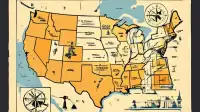

North Dakota is currently grappling with a substantial workforce shortage, impacting operations and development across the state. Recent studies indicate that more than half of North Dakota's counties—specifically, 38 out of its 53—are unable to fill open positions. This widespread issue translates to over 12,000 job openings listed statewide, posing significant challenges for various sectors and local communities, including those in Bismarck and Mandan.
The health care sector is experiencing the most acute impact of these shortages. Experts attribute this critical situation to a dual challenge: a rising demand for health care services coupled with an insufficient number of individuals pursuing careers in the medical profession. This directly affects the availability of medical staff and services for residents in Burleigh and Morton counties, reflecting a statewide pattern.
Beyond health care, several other key professions are also facing significant lows in available workers. These include the transportation industry, vital for moving goods and people across the state; sales and support roles, crucial for local businesses; office and administration positions, essential for the smooth functioning of countless organizations; and management roles, which are critical for leadership and strategic direction. The scarcity of workers in these areas creates ripple effects throughout the local economy and community services.
The cumulative effect of these widespread labor shortages is an increased pressure on the state's capacity to undertake and complete larger projects. This includes everything from major construction endeavors—which are vital for infrastructure development and economic growth—to the adequate staffing and operation of larger facilities, whether they are hospitals, government buildings, or industrial plants. Such pressures can slow progress and strain existing resources in communities like Bismarck and Mandan.
Phil Davis, interim executive director of Job Service North Dakota, acknowledged the severity of the situation. Davis emphasized the state's strategic approach to address the deficit, stating that efforts are underway to attract new talent. He highlighted the dual need for both domestic workers to relocate to North Dakota and for an international workforce to come into the state, underscoring the broad scope of the solution required. According to Davis, "We’ll regroup, and we’ll figure out a way to fill those openings," signaling a commitment to resolving the issue.
Davis also provided insight into the dynamic nature of the problem, noting that workforce shortages often fluctuate depending on the season. This seasonal variability adds another layer of complexity to workforce planning and recruitment efforts across North Dakota.
Looking ahead, Davis confirmed that a new study, specifically focused on updated workforce numbers, is slated for release in the next couple of weeks. This upcoming report is expected to provide more current data and potentially further details on the ongoing challenges and trends within North Dakota's job market. Residents of Bismarck and Mandan, and stakeholders in Burleigh and Morton counties, will be looking to this report for further understanding of the local and statewide economic landscape.