Residents of Bismarck and Mandan should anticipate a warm and drier-than-average winter, according to the recent outlook released by the National Oceanic and Atmospheric Administration (NOAA). This forecast, which covers the crucial winter months from December through February, indicates that North Dakota is poised for higher overall temperatures and slightly below-average precipitation across the state.
A key factor driving this winter prediction from NOAA is the expected persistence of the El Niño weather pattern. Federal forecasters project that this pattern, known for its influence on global weather conditions, will continue to hold throughout the upcoming winter season, shaping the climate across the upper Midwest. Visual data, such as a map from the National Weather Service, further supports these long-range climatic projections for the region.
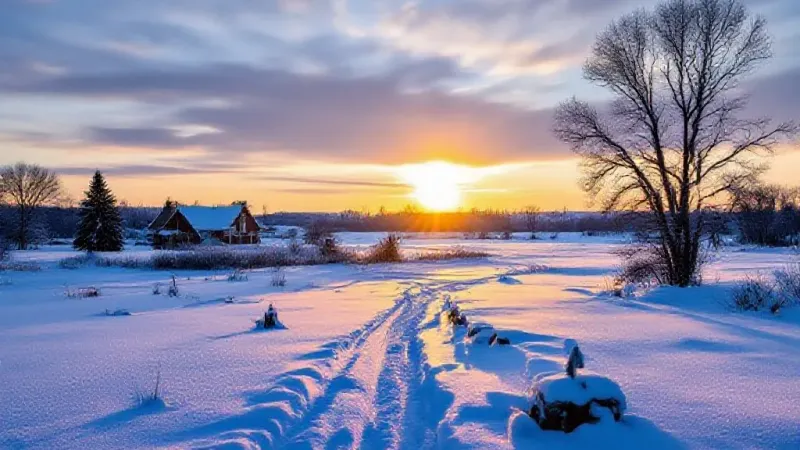
The implications of a warm winter with a reduced amount of snow are varied for local residents. For many in Bismarck and Mandan, the prospect of fewer heavy snowfalls and less need for shoveling or operating snowblowers may be seen as a considerable convenience. However, this outlook presents a less favorable scenario for individuals and businesses reliant on winter sports, particularly skiers and snowmobile enthusiasts throughout North Dakota, who often depend on ample snowfall.
This winter forecast from NOAA also arrives at a time when much of North Dakota, including the vital agricultural and urban areas of Bismarck and Mandan, is already contending with significant drought conditions. The local "listening area," which encompasses Burleigh and Morton counties, is currently classified as experiencing a Moderate Drought. Furthermore, the situation is more severe in other parts of the state, with sections of Eastern and Western North Dakota facing extreme drought designations.
Preceding the winter outlook, the long-range forecast for the fall season had also indicated unfavorable conditions for precipitation. The Old Farmer's Almanac had previously issued a fall outlook for North Dakota, explicitly forecasting a warm and dry period. This autumn projection suggests that the region is likely to transition into the colder months with existing dry conditions, potentially exacerbating the challenges posed by the impending warm and dry winter.
The combined forecasts from NOAA and The Old Farmer's Almanac highlight a critical environmental concern for the state. While the warmer temperatures expected this winter might offer a reprieve from bitter cold, the persistent prediction of below-average precipitation raises significant questions about whether the region will receive enough moisture to adequately replenish groundwaters and prevent the current drought from escalating into a prolonged and more severe crisis for communities and agriculture alike.