
Bismarck and Burleigh County residents are feeling the ripple effects of rising diesel prices as local governments grapple with increased costs for essential road maintenance. The fuel, critical for operating heavy equipment, is impacting the budgets of entities responsible for keeping city streets and county roads safe and accessible, from filling potholes to clearing winter snows.
Bismarck City Public Works, tasked with overseeing street maintenance within the city limits, has been managing the budgetary pressures stemming from the spike in diesel costs. Steve Salwei from Public Works indicated that a lighter winter season last year proved to be a significant advantage for the department's financial standing. Salwei noted that the reduced snow and ice removal needs meant less diesel fuel was consumed during the initial months of winter. According to Salwei, this fortunate circumstance "was really our saving grace for our budget for the year." He added that if the region continues to experience a mild winter through the current fall season, the department expects to remain within its budget.
Despite the ongoing financial challenges, Salwei confirmed that Bismarck's Public Works department has not yet had to implement any adjustments or cuts to its operations. Should such measures become necessary in the future, Salwei emphasized that the department's core priorities would remain unchanged. He stated unequivocally that officials "have to maintain roads that are safe for the public to drive on." Therefore, any potential cuts would not compromise the maintenance of roadways. Instead, Salwei explained that adjustments might be directed towards other areas, such as delaying the purchase of certain pieces of equipment.
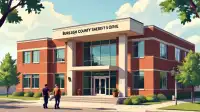
Beyond the city's boundaries, Burleigh County is confronting its own set of infrastructure and budgetary hurdles. The county is responsible for a substantial geographic area, encompassing approximately 1,600 miles of road that require ongoing upkeep. Commissioner Wayne Munson has publicly raised concerns regarding the financial flexibility available to the county for major repair projects. Munson cautioned that if prices for materials and operations continue their upward trend, the county's only recourse would be to undertake "less projects." This reduction in work could mean deferring essential repairs, such as not fixing critical roads or replacing aging bridges. Munson highlighted that such delays would inevitably become "an even bigger problem for the residents" of Burleigh County.
Adding to the county's financial constraints is a state-imposed 3% cap on property taxes. This limitation restricts how much additional tax revenue the local government can generally collect each year without requiring direct approval from voters. Despite these significant financial pressures, the overarching mission of Burleigh County officials mirrors that of Bismarck's Public Works department: a steadfast commitment to ensuring roads are kept clear and safe for public travel. This shared objective aims to provide residents across both Bismarck and Burleigh County with peace of mind as they navigate their daily commutes and travels. The rising costs underline the critical balancing act local governments face in preserving vital public services amidst fluctuating economic conditions.