Work on the Tyler Parkway extension project, slated for completion in 2026, is progressing towards significant milestones as crews push to finalize key infrastructure elements in Bismarck. The extensive project, which also includes improvements to the Tyler Coulee watershed, continues to advance, though it has faced setbacks due to recurring vandalism.
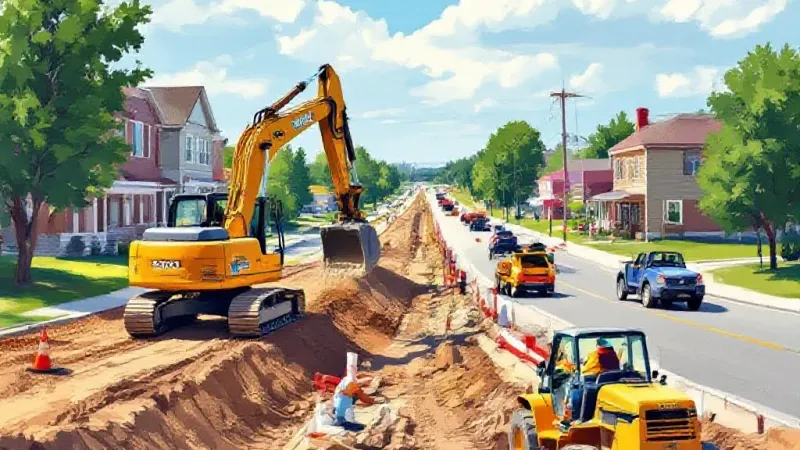
An update on the project highlighted upcoming completion targets for various phases of construction. In the coming two weeks, construction crews are focused on finishing the remaining storm sewer components for the new roadway. Following this, substantial progress is expected in earthwork, with dirt moving activities and the majority of topsoil work anticipated to conclude by the end of October. These earthworks are crucial foundational steps for the road's final surface.
Asphalt paving is also set to commence this week in sections where curbs have already been poured. This phase of paving is expected to be wrapped up by early next week, bringing significant portions of the road surface closer to completion. Additionally, essential infrastructure for future street lighting has been installed, with conduit and bases now in place. The installation of the actual light poles will occur at a later date, pending their availability from manufacturers. This coordinated approach ensures that while the road surface takes shape, necessary utilities are embedded for future functionality.
Concurrent with the Tyler Parkway work, efforts are also continuing on the Tyler Coulee watershed projects. These projects are located south of Marsh Hawk Drive and near the Tyler Parkway extension. The primary objective of these watershed improvements involves the installation of specific water flow structures and earth embankments. These installations are designed to manage and control the volume of water flowing through the coulee before it reaches the newly constructed Tyler Parkway road, mitigating potential erosion and water management issues.
However, the project has been marred by multiple instances of vandalism, creating significant delays and costs. Project officials reported the latest incident involved individuals gaining unauthorized access to a piece of heavy equipment. Once inside, the interior cab of the machinery was spray-painted, resulting in "ten of thousands of dollars’ worth of damage." This significant financial loss impacts the overall project budget and timeline. It is believed by those overseeing the project that this damage, like previous incidents, was caused by children playing on the job site. Such unauthorized access poses not only a financial burden but also safety risks to those entering an active construction zone.
As work continues and these challenges are addressed, project officials expressed gratitude for the ongoing patience of the public.