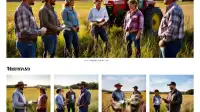

Farmers operating in Burleigh and Morton counties, like others across North Dakota, are contending with significant financial strain as diesel prices have reached an all-time high. This surge in fuel costs is hitting agricultural producers particularly hard during one of their busiest seasons, impacting various facets of their operations from field work to livestock transport.
According to data compiled by AAA, diesel fuel in North Dakota is currently priced at nearly $6.30 per gallon. This escalating cost is a direct result of surging crude oil prices, compounded by ongoing geopolitical conflicts, specifically referencing the war with Iran and the conflict in Ukraine. These global factors have continued to drive up fuel expenses, creating a challenging economic environment for the local farming community.
The ripple effect of these elevated energy costs is pervasive, touching nearly every aspect of the farming process. From the fuel required to operate heavy machinery such as tractors during planting and harvesting, to the costs associated with producing and applying essential fertilizers, and even the overall expenses tied directly to the growth and transport of crops in the field, higher diesel prices mean higher operational costs across the board.
Tim Erbele, the Vice President of the North Dakota Stockmen’s Association, articulated the limited avenues available for farmers to mitigate these rising input costs. Erbele explained that while producers are exploring every possible efficiency, such as trying to maximize loading when transporting livestock, the fundamental activities of farming, like making hay and subsequently hauling it home, offer little flexibility for cost reduction. Ultimately, Erbele summarized the situation by stating that farmers largely have no option other than to “pay the bill.”
For those in the agricultural sector seeking assistance to combat the increasing financial pressure from these input costs, several programs are available. Farmers and ranchers in the region can reach out directly to the North Dakota Stockmen’s Association for guidance and support. Additionally, resources are accessible through the United States Department of Agriculture (USDA), specifically regarding their Emergency Commodity Assistance Program (ECAP), which aims to provide relief during challenging economic periods. The impact of these elevated prices is deeply felt within the agricultural bedrock of Burleigh and Morton counties, emphasizing the critical need for available support and efficient resource management during this demanding period.