
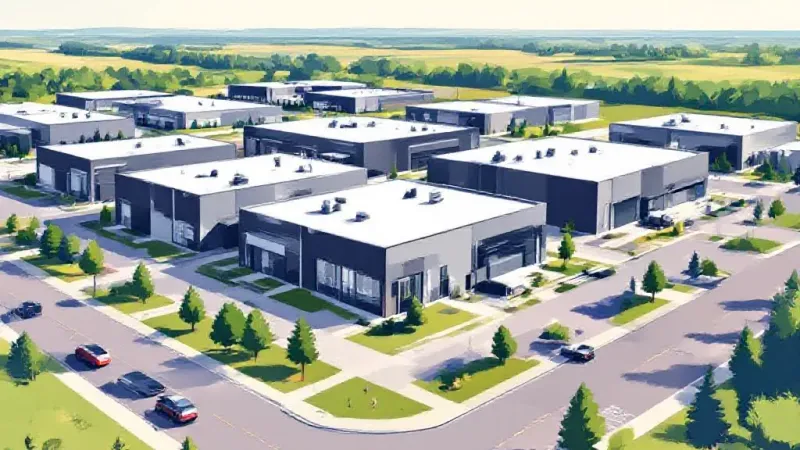
Loudoun County, Virginia, a region that has experienced substantial data center development and associated fiscal benefits, is now reportedly "hitting the brakes on development" in this sector. This shift comes despite previous reports indicating that data centers have positively impacted the county's finances, contributing to property tax reductions for its residents and funding various public projects.
Last year alone, Loudoun County issued building permits for more than 10 million square feet of data center space. This significant volume of permits underscores the rapid expansion of the data center industry within the Virginia county and its established presence. The reported decision by Loudoun County to reconsider or slow future development marks a notable change from what has been a period of robust growth and financial advantage attributed to the data center industry.
The data centers operating within Loudoun County have been credited with playing a role in reducing property taxes for county residents and businesses. This financial contribution is a considerable benefit, helping to alleviate the tax burden on the local population. In addition to property tax relief, these facilities have also been acknowledged for their part in funding various public projects throughout the county. The specific nature of these public projects or the exact methods through which data centers contributed funding were not detailed, but their positive impact on public services and infrastructure has been noted.
The reported action by Loudoun County to begin "hitting the brakes on development" suggests a potential re-evaluation of the long-term impact or sustainability of such rapid expansion. While the immediate financial benefits, such as reduced property taxes and funded public projects, have been clear, the county's move implies that other considerations may now be influencing its development policies. The nature of these new considerations or the specific policies being implemented to slow development in Loudoun County were not specified. However, this shift in approach from a county that has seen permits issued for extensive data center space—over 10 million square feet last year alone—indicates a significant change in local development strategy regarding this industry.
The extensive permitting process for more than 10 million square feet of data center space in a single year demonstrates the prior embrace of this industry by Loudoun County. This vast amount of square footage represents a considerable investment in infrastructure and technology within the county's borders. The subsequent decision to "hit the brakes" on further development introduces a new dynamic into the relationship between the county and the data center sector. This policy change could have implications for future economic development and fiscal planning within Loudoun County, Virginia, particularly given the previously reported benefits of reduced property taxes and funded public projects. The rationale behind this shift in development strategy from Loudoun County remains a key element of this evolving situation for the county's economic and planning officials.